USA
USA India
India APAC
APAC Middle East
 Global
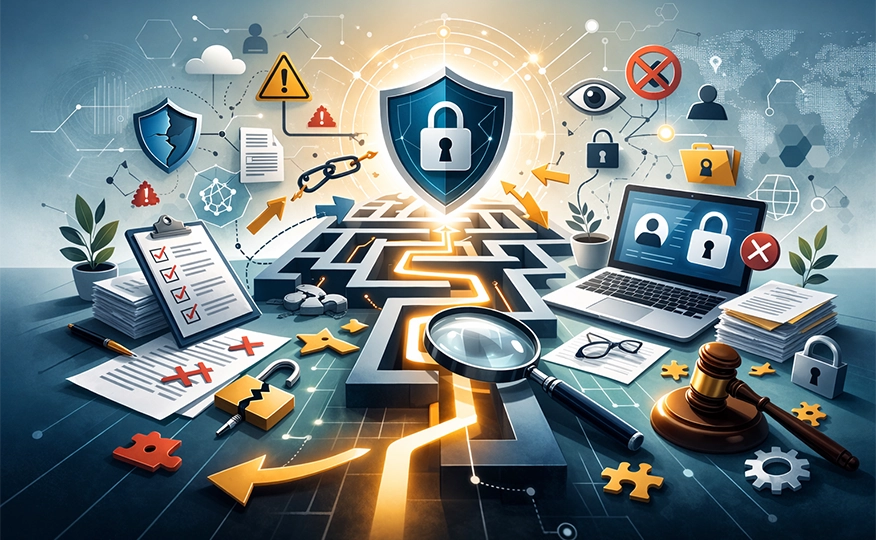
Avoid critical gaps in your Privacy Risk Assessment. Learn 5 strategies to overcome common pitfalls, ensure data privacy compliance, and strengthen your personal data protection.







 Facebook
 Linkedin
  X
X Youtube
Avoid critical gaps in your Privacy Risk Assessment. Learn 5 strategies to overcome common pitfalls, ensure data privacy compliance, and strengthen your personal data protection.
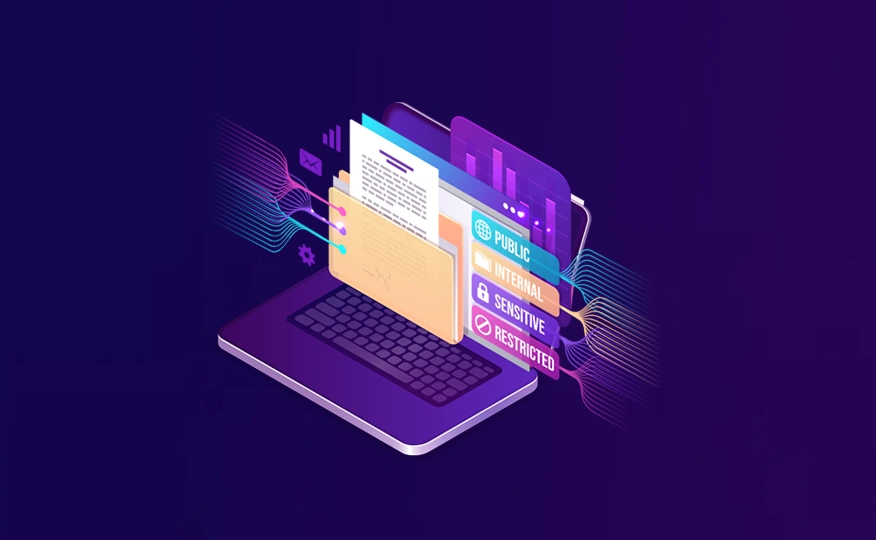
SOCs often lack data context. Learn how integrating data classification with threat detection turns generic alerts into prioritized, risk-aware incident response.
Shadow AI and Shadow Data are creating invisible risks in the payments ecosystem. Discover how to restore data visibility and governance without slowing down innovation.
Stop treating data privacy as a legal checkbox. Learn how to bridge the gap between policy and execution by solving the 5 critical implementation challenges: visibility, ownership, consent, governance, and third-party risk.
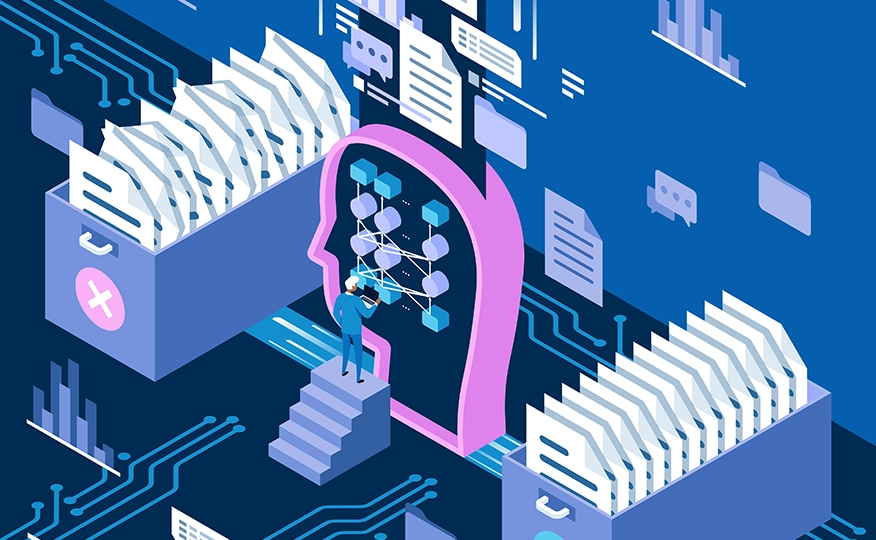
Traditional Data Privacy Impact Assessments (DPIAs) are no longer enough. Discover the shift to Continuous Privacy Risk Intelligence—a dynamic approach that aligns real-time data protection with modern security threats and enterprise risk management.
A comprehensive guide to the HITRUST CSF control list for 2025. Learn about the 14 categories, e1/i1/r2 assessments, key updates, and practical tips for implementing this unified security and privacy framework
Discover and classify sensitive data to ensure security and compliance. Learn why it’s the cornerstone of data protection, how it differs from discovery, and best practices to prevent costly breaches under GDPR, CCPA, and more.
Overcome data sprawl & regional language barriers with effective data discovery & classification. Ensure compliance, reduce risks, and protect multilingual data assets.
Discover the critical role of data classification tools in enhancing cybersecurity and ensuring compliance. Learn how they protect sensitive information and streamline data management, making them indispensable in the fight against digital threats.
Data classification tool plays a vital role in cybersecurity by methodically organizing and labeling data according to its sensitivity. Explore the real-world examples to know how data classification is not just a best practice but a necessity for building a robust and resilient cybersecurity strategy.

SISA is a Leader in Cybersecurity Solutions for the Digital Payment Industry. As a Global Payment Forensic Investigator of the PCI Security Standards Council, we leverage forensics insights into preventive, detective, and corrective security solutions, protecting 1,000+ organizations across 40+ countries from evolving cyberthreats.
Our suite of solutions from AI-driven compliance, advanced security testing, agentic detection/ response and learner focused-training has been honored with prestigious awards, including from Financial Express, DSCI-NASSCOM and The Economic Times.
With commitment to innovation, and pioneering advancements in Quantum Security, Hardware Security, and Cybersecurity for AI, SISA is shaping the future of cybersecurity through cutting-edge forensics research.